A lot of adults do not think about vitamin D until a blood test comes back low, winter hits hard, or nagging fatigue starts to feel normal. That is exactly why the topic of vitamin d benefits: why it is essential for your health in 2026 deserves real attention. This is not just about one vitamin. It is about bone strength, immune support, muscle function, mood, and how well your body handles everyday stress.
Why vitamin D benefits matter more in 2026
Vitamin D has always mattered, but a few modern habits make it easier to fall short now. Many people work indoors, spend more time on screens, wear sunscreen consistently, or live in areas where strong sunlight is limited for part of the year. Add aging, extra body weight, and restrictive diets, and low vitamin D becomes more common than many people realize.
What makes this especially relevant in 2026 is the growing focus on prevention. More adults are trying to stay active longer, protect metabolic health, and avoid the slow buildup of problems that reduce quality of life. Vitamin D is not a magic fix, but it is one of those basic nutrients that can quietly affect a lot of systems at once.
When your vitamin D status is good, your body is generally better positioned to use calcium well, maintain stronger bones, support muscle performance, and keep immune function on track. When it is low, the effects may be subtle at first. You might notice lower energy, weakness, frequent illness, or aches that are easy to blame on stress or age.
Vitamin D benefits: why it is essential for your health in 2026
The biggest reason vitamin D gets so much attention is that it does more than one job. Most people know it helps bones, which is true, but that is only part of the story.
Vitamin D helps your body absorb calcium and phosphorus, two minerals that are central to bone health. Without enough vitamin D, even a good diet may not fully support your skeleton the way it should. Over time, that can raise the risk of weaker bones, fractures, and mobility issues, especially as you get older.
It also supports muscle function. This matters for everyone, not just athletes. Stronger muscles improve balance, posture, and day-to-day movement. If you are trying to stay independent, avoid falls, or keep up with home workouts, vitamin D is part of that foundation.
Then there is immune health. Vitamin D plays a role in regulating immune responses, which is one reason it is often discussed during cold and flu season. It does not guarantee that you will never get sick, but it helps support the normal function of the immune system.
Mood is another area where vitamin D may matter. Some people notice that low levels seem to show up alongside low mood, especially during darker months. This is not as simple as saying vitamin D cures depression, because mental health is influenced by many factors. Still, maintaining healthy vitamin D levels can be one useful part of a broader wellness plan.
What vitamin D actually does in the body
Vitamin D acts more like a hormone than a basic vitamin in some ways. Once your body makes it from sunlight or gets it from food or supplements, it goes through steps in the liver and kidneys to become active. From there, it helps regulate calcium balance and influences processes tied to bone remodeling, muscle performance, and immune activity.
That is why deficiency can show up in different ways. In one person, it may look like poor bone health. In another, it may be frequent tiredness or muscle weakness. Some people have no obvious symptoms at all, which makes testing important when risk is high.
This is also why self-diagnosing based on symptoms alone is tricky. Feeling tired does not automatically mean low vitamin D. It could also relate to sleep, stress, low iron, blood sugar issues, thyroid problems, or simply not eating enough. Vitamin D matters, but it should be viewed as one piece of your overall health picture.
Who is most likely to be low in vitamin D?
Some people have a higher chance of deficiency than others. Older adults often make less vitamin D from sunlight. People with darker skin tones may need more sun exposure to produce the same amount. Those who spend little time outdoors, cover most of their skin, or live in northern parts of the US may also be at higher risk.
Body weight can matter too. Vitamin D is fat-soluble, and people with obesity may have lower circulating levels. Certain digestive conditions, such as celiac disease, Crohn’s disease, or issues that affect fat absorption, can make things harder as well.
Diet alone may not be enough for many adults. Vitamin D is found in fatty fish, egg yolks, fortified milk, fortified plant milks, and some cereals, but the amounts are often modest. If you do not eat these foods regularly, getting enough becomes tougher.
How to get more vitamin D without overcomplicating it
The practical approach is usually best. Start with food. Salmon, sardines, tuna, egg yolks, and fortified dairy or dairy alternatives can help. This will not solve every case of low vitamin D, but it gives your routine a stronger base.
Sun exposure can also help, but this is where nuance matters. Sunlight supports vitamin D production, yet too much unprotected sun raises skin cancer risk. There is no one-size-fits-all rule because skin tone, season, time of day, cloud cover, and location all change the equation. Short, sensible exposure may help some people, but it should never turn into the idea that more sun is always better.
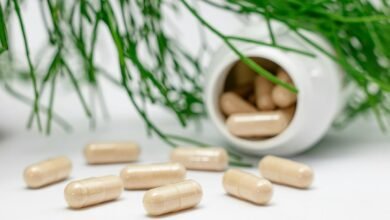
Supplements can be useful when food and sun are not enough. For many adults, they are the most reliable option, especially in winter or if a blood test shows deficiency. Still, more is not automatically better. Very high doses can cause problems over time, including too much calcium in the blood.
If you are considering a supplement, it is smart to talk with a healthcare professional, especially if you have kidney disease, take certain medications, or already use calcium products. The goal is to get into a healthy range, not to megadose.
Should you get your vitamin D levels tested?
It depends on your situation. Not every healthy adult needs routine testing, but it can be helpful if you have risk factors, symptoms, osteoporosis, repeated fractures, or a known condition that affects absorption. Testing can also make sense if you have been supplementing for a while and want to know whether your current plan is working.
The benefit of testing is clarity. Instead of guessing, you get a clearer picture of whether you are low, adequate, or taking more than you need. That can help you avoid both neglect and overcorrection.
This matters because vitamin D advice online can get extreme fast. One article says everyone is deficient. Another acts like supplements are unnecessary. The truth is usually in the middle. Your personal needs depend on your diet, sun exposure, age, body size, health history, and lab values.
Vitamin D and healthy aging
If your goal is to stay mobile, active, and resilient as you age, vitamin D deserves a place in the conversation. Bone loss becomes more common over time, and muscle weakness can raise the risk of falls. Supporting both with adequate vitamin D is a practical move, not a trendy one.
It also pairs well with other simple health habits. Strength training, enough protein, calcium-rich foods, sleep, and regular walking all work better together than alone. Vitamin D is valuable, but it is strongest when it supports a bigger routine built around consistency.
That idea fits everyday wellness well. You do not need a perfect diet or a complicated supplement stack. You need a few basics that protect your body over the long run.
A smarter way to think about vitamin D benefits
The best way to view vitamin D is as a health essential, not a shortcut. It supports bone health, muscle function, immunity, and possibly mood, but it works within the bigger context of your lifestyle. If you eat poorly, never move, and sleep four hours a night, vitamin D alone will not carry the load.
Still, ignoring it is a mistake. This is one of those nutrients that quietly affects how strong, steady, and resilient you feel. If you have not thought about your vitamin D status lately, 2026 is a good time to change that. A simple check-in with your routine now can pay off in stronger health later.